
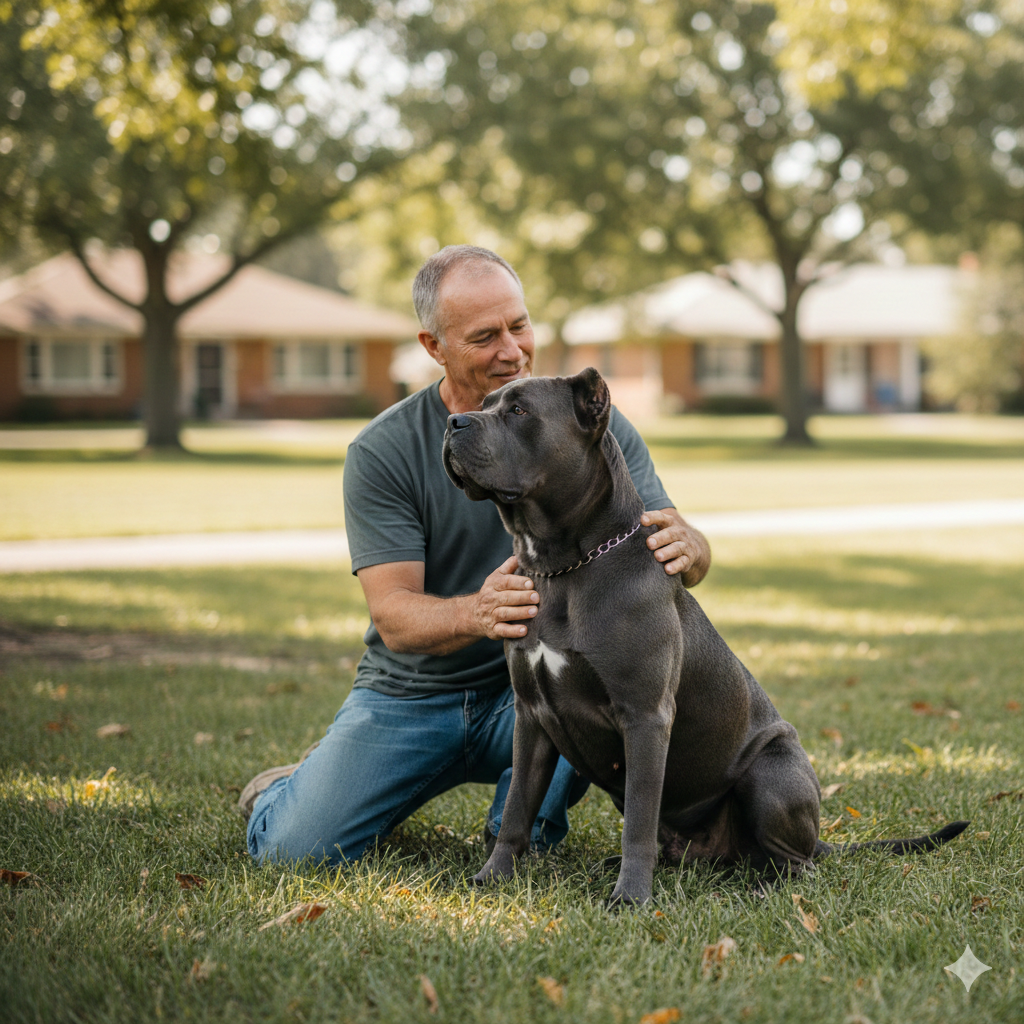
Short answer: It’s extremely rare—but a Cane Corso can turn on its owner if there are serious failures in breeding, training, handling, or health. This is not a breed trait; it’s a breakdown in management.
The Cane Corso is historically a guardian breed bred to work closely with humans, not against them. When raised correctly, Cane Corsos are deeply loyal, stable, and handler-oriented. According to the American Kennel Club (AKC), the breed is known for its confidence, intelligence, and strong bond with its family.
So where does this fear come from—and what’s the real risk?
Let’s break it down clearly, without fear-mongering or denial.
Why people worry about Cane Corsos “turning” on owners
Searches like “Can Cane Corsos attack their owners?” or “Are Cane Corsos dangerous to owners?” usually come from:
- viral or sensational news stories
- poorly bred guard dogs involved in incidents
- confusion between protection and aggression
- lack of understanding of guardian breeds
The reality is this: dogs don’t “turn” suddenly without cause. When owner-directed aggression happens, it is almost always the result of predictable warning signs that were ignored.
The truth about Cane Corso loyalty
A well-bred Cane Corso is typically:
- deeply bonded to its primary handler
- naturally inclined to follow human leadership
- calm and cooperative in daily life
- highly sensitive to owner behavior and consistency
PetMD notes that Cane Corsos are loyal, intelligent dogs that form strong attachments—but they also require clear leadership and structure.
In healthy dogs, loyalty is the default, not conflict.
What actually causes a Cane Corso to show owner-directed aggression?
There is no single reason—but patterns are consistent across behavior research and breed organizations.
1. Poor or irresponsible breeding
Genetics matter. Dogs bred without temperament screening are more likely to develop:
- fear-based responses
- unstable nerves
- low threshold for stress
This is the most common root cause of serious incidents.
2. Fear, not dominance
Contrary to popular myths, most owner-directed aggression is fear-based, not dominance-based.
Triggers may include:
- pain or undiagnosed medical issues
- punishment-based training
- inconsistent handling
- being pushed beyond stress thresholds
3. Lack of early socialization
According to the AKC, early socialization is critical—especially for guardian breeds.
Dogs that aren’t exposed to handling, environments, and boundaries early may react defensively later.
4. Encouraging guarding behaviors too early
Teaching a young Cane Corso to “guard,” “protect,” or act tough before emotional maturity can lead to confusion and poor impulse control.
True protection comes from confidence and stability, not hype.
##tabla: Common Myths vs Real Causes
| Myth | Reality |
|---|---|
| Cane Corsos “snap” unpredictably | Warning signs are usually present |
| They turn due to dominance | Most cases are fear or stress based |
| More aggression = better protection | Calm control = real protection |
| Training makes them dangerous | Lack of training creates risk |
Do Cane Corsos give warning signs?
Yes—almost always.
Common warning signals include:
- stiff body posture
- avoidance or “freezing”
- growling or lip lifting
- refusal to engage
- sudden reactivity to touch
Ignoring these signals is where risk increases.
Can training prevent a Cane Corso from turning on its owner?
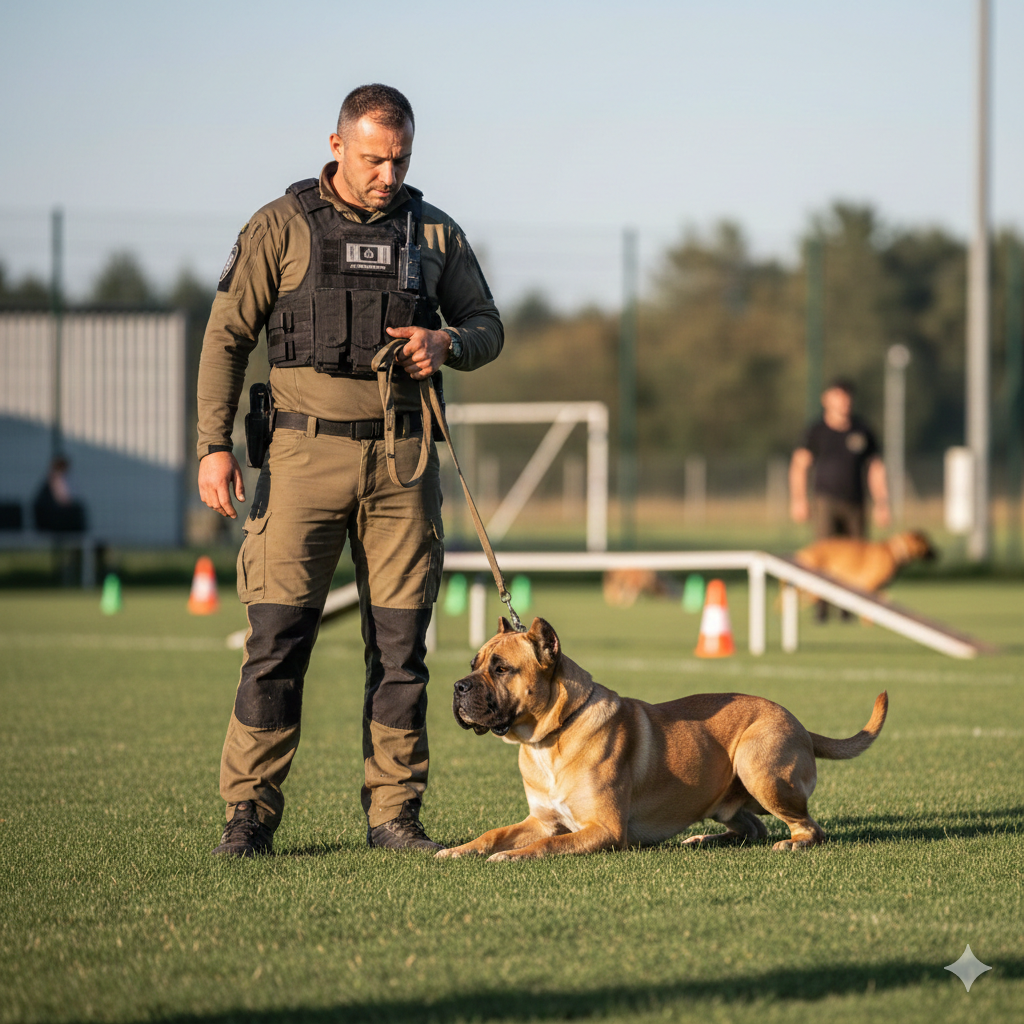
Yes—training is the single most powerful preventative factor.
AKC training guidance emphasizes:
- clear, consistent rules
- positive reinforcement
- impulse control
- ongoing mental engagement
Training creates communication. Communication prevents conflict.
##tabla: Training vs Risk Factors
| With Proper Training | Without Structure |
|---|---|
| Clear leadership | Confusion and stress |
| Calm obedience | Reactive behavior |
| Trust-based handling | Fear-based responses |
| Predictable routines | Anxiety and instability |
Are Cane Corsos safe with experienced owners?
Yes.
The breed generally does best with experienced, confident, consistent handlers who understand guardian dogs.
First-time owners can succeed—but only with:
- reputable breeders
- professional training support
- realistic expectations
According to the AKC, Cane Corsos are not recommended for casual or unprepared owners.
What about health and pain-related aggression?
This is often overlooked.
Conditions like:
- hip dysplasia
- joint pain
- neurological issues
- thyroid imbalances
can drastically affect behavior. Sudden aggression toward an owner should always prompt a veterinary exam.
Are Cane Corsos more likely to attack owners than other breeds?
No credible data supports this claim.
Large, powerful dogs receive more media attention, but bite statistics consistently show that owner-directed aggression is rare across breeds when dogs are responsibly bred and trained.
##tabla: Who is a Cane Corso a good fit for?
| Owner Profile | Fit |
|---|---|
| Calm, confident, consistent | ✅ Excellent |
| Enjoys structured routines | ✅ Strong |
| Wants an easygoing social butterfly | ❌ Poor |
| First-time owner without trainer | ❌ Risky |
| Experienced guardian-dog owner | ✅ Ideal |
FAQ: Cane Corsos and owner safety
Can a Cane Corso suddenly attack its owner?
Extremely rare. Behavior issues usually develop gradually with warning signs.
Are Cane Corsos loyal to one person?
They often bond strongly to a primary handler but remain loyal to the household.
Does punishment-based training increase risk?
Yes. Fear-based methods significantly increase aggression risk.
Can proper breeding reduce risk?
Absolutely. Temperament stability starts with genetics.
Final verdict
Cane Corsos do not “turn” on their owners without reason.
When incidents occur, they are almost always the result of poor breeding, fear-based handling, lack of training, unmanaged stress, or medical issues—not an inherent flaw in the breed.
With responsible breeding, early socialization, and consistent leadership, Cane Corsos are among the most loyal and stable guardian breeds in the world.
The question isn’t whether a Cane Corso can turn on its owner—it’s whether the owner is prepared to meet the breed’s needs.