
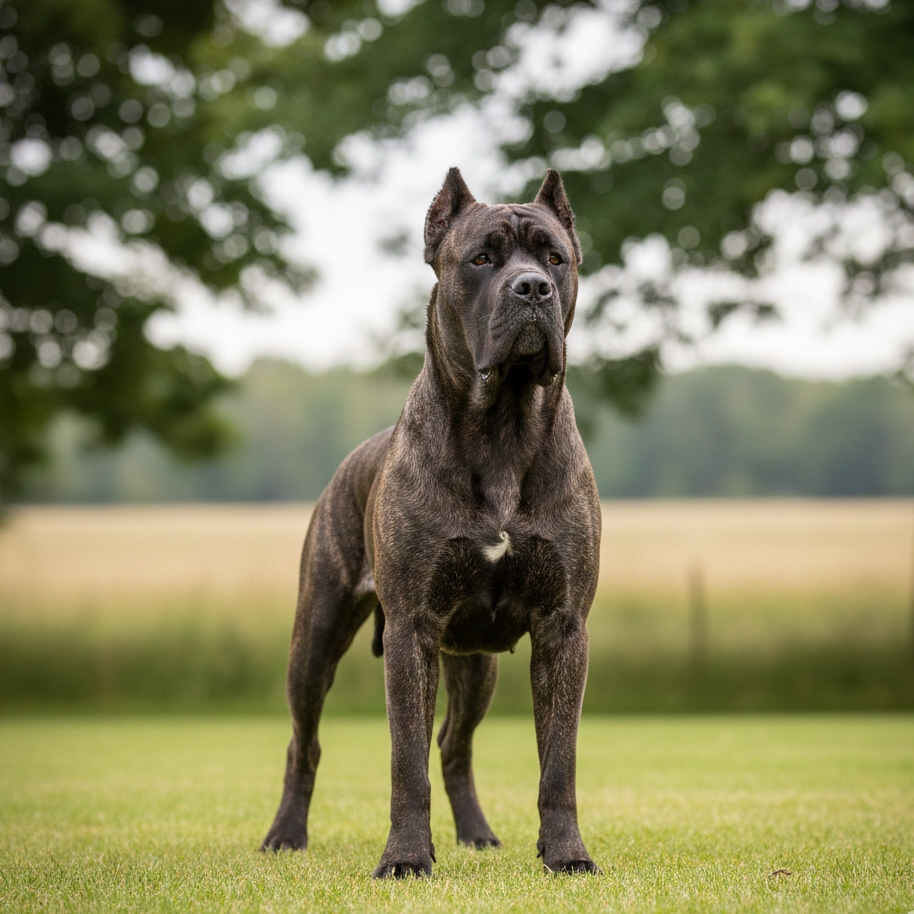
Yes, a Cane Corso can weigh 200 pounds—but it’s extremely rare, not typical, and often unhealthy. Most breed standards describe a Cane Corso’s weight as either “proportionate to height” (AKC) or set the typical adult range around 45–50 kg (99–110 lb) for males and 40–45 kg (88–99 lb) for females (FCI). AKC Images+2FCI+2
So if you’re seeing “200-lb Cane Corso” claims online, the right question isn’t just “is it possible?”—it’s:
- Is it a purebred Corso?
- Is that weight muscle + bone or fat?
- Can the dog move and breathe normally?
- Was it bred responsibly or marketed for shock value?
This guide breaks it down clearly (with standards), so you can spot hype—and choose a healthy, functional dog.
If you’re looking for a premium, responsibly bred Corso in Southern California, explore Cane Corso Puppies for Sale from King Corso Kennel (San Diego/Jamul).
Quick answer (featured snippet-ready)
A Cane Corso can reach 200 pounds in rare cases, but it is not breed standard and is often the result of overweight conditioning, crossbreeding, or exaggerated marketing.
Most healthy adult Cane Corsos are built to be large, athletic, and proportional, commonly around 100–110 lb (males) and 88–99 lb (females) depending on the standard and individual size. FCI+2United Kennel Club+2
What the official standards say about Cane Corso size and weight
To understand the “200 pounds” question, start with the standards.
AKC standard
The AKC breed standard lists height (males 25–27.5″, females 23.5–26″) and states weight should be “proportionate to height.” AKC Images+1
FCI standard (international)
The FCI standard provides a clearer weight guideline:
- Males: 45–50 kg (99–110 lb)
- Females: 40–45 kg (88–99 lb) FCI+1
UKC standard (U.S. registry)
UKC explicitly lists:
- Males: 100–110 lb
- Females: 88–100 lb United Kennel Club+1
Bottom line: By standard, the Cane Corso is a large, athletic mastiff, not a “giant breed” built to sit at 200 lb as the norm.
So how does a Cane Corso reach 200 pounds?
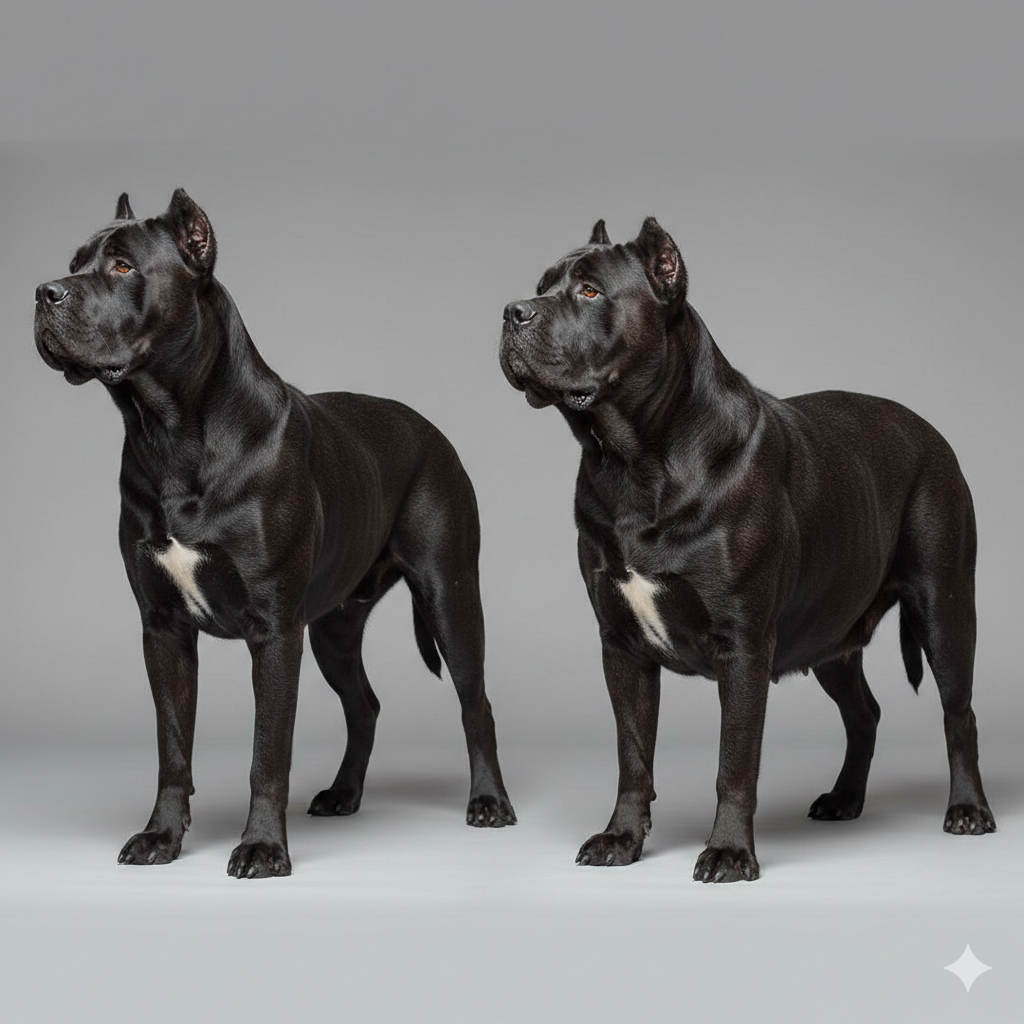
It usually happens for one of these reasons:
1) The dog is overweight (most common)
Many “200-lb Cane Corsos” online are carrying significant fat, not just muscle. WebMD notes Corso weight varies, but should remain proportional, and cites a rough typical range around 99–110 lb. WebMD PetMD similarly emphasizes that the breed can weigh over 100 lb and is very large, but doesn’t present 200 lb as typical. PetMD+1
If the dog is:
- slow or reluctant to move
- heavy breathing at rest
- lacking a defined waist
- ribs not palpable
- struggling to jump/climb stairs
…that “size” is likely unhealthy weight, not “legendary genetics.”
2) Crossbreeding or mislabeling
Some dogs advertised as Cane Corsos are actually mixes (often with larger mastiffs). These dogs can be huge—but they may not be purebred Cane Corso consistent with AKC/FCI/UKC standards. FCI+2United Kennel Club+2
3) Selective breeding outside the standard (rare)
Some breeders pursue extreme mass. Even when it’s “real,” that doesn’t automatically mean it’s healthier or better—especially long-term on joints and mobility.
4) Marketing and camera tricks
“200-pound” claims sell. But many viral posts don’t show:
- the dog trotting freely
- endurance/conditioning
- veterinary assessments
- body condition scoring
A functional Corso should look athletic and powerful—not swollen and winded.
##tabla: Typical vs “200-lb” Cane Corso — what to look for
| Category | Typical Healthy Cane Corso | “200-lb” Claim (What it often is) |
|---|---|---|
| Standards-based weight | ~99–110 lb males / ~88–100 lb females FCI+2United Kennel Club+2 | Usually outside standard ranges |
| Build | Muscular, athletic, proportional AKC Images+1 | Often overweight or mixed |
| Movement | Smooth, capable trot | Labored, stiff, less endurance |
| Health risk | Manageable with good care | Higher stress on joints/heart if overweight |
| “Bigness” source | Bone + muscle + proportion | Often fat + exaggeration |
What’s a realistic “big but healthy” Cane Corso weight?

A Corso can be very large and still healthy, but you want function first.
A practical real-world guide (not a standard) looks like:
- 120–140 lb: large, common in robust males with good structure
- 145–165 lb: very large, needs excellent conditioning
- 170–180 lb: rare outlier (must be athletic and well-managed)
- 200 lb: extreme outlier—verify health and genetics
This is consistent with the fact that major standards cluster typical adult weights far lower than 200. FCI+2United Kennel Club+2
Does a heavier Cane Corso protect better?
Not necessarily.
AKC describes the Cane Corso as powerful and imposing—often weighing more than 100 lb—but protection is driven by:
- confidence and nerve stability
- obedience and handler control
- calm neutrality around normal life
- correct socialization American Kennel Club+1
A stable 120–140 lb Corso that is trained and well-socialized is typically a better family guardian than an unstable or obese dog at 200 lb.
Should you want a 200-pound Cane Corso?
For most families: no.
If your goal is:
- family companionship
- stable guardian presence
- trainability and manageability
- longevity and mobility
…you want a balanced, athletic Corso, not a dog pushed into extreme weight.
And if you do want an exceptionally large Corso, your priority should be:
- proven structure
- responsible conditioning
- breeder transparency
- health-first selection
Why breeder quality matters more than the number on the scale

This is the part buyers often ignore until it’s too late.
A reputable breeder selects for:
- temperament stability (confident, not fearful)
- solid movement and joints
- predictable structure and bone
- socialization foundations
That’s why buyers researching Cane Corso Breeders in California should avoid “internet giant” marketing and look for programs focused on quality and functionality.
Featuring King Corso Kennel (San Diego/Jamul)

King Corso Kennel positions its dogs as “giants”—but the difference is they emphasize:
- health and wellness first
- strong bone and structure
- temperament and family loyalty
- responsible breeding direction
If you’re serious about a Corso that looks impressive and lives well, start with Cane Corso Puppies for Sale and ask about structure, conditioning, and parent dogs.
FAQ: Can a Cane Corso weigh 200 pounds?
Can a purebred Cane Corso weigh 200 pounds?
Yes, but it’s an extreme outlier. Breed standards put typical adult weights much lower—around 45–50 kg (99–110 lb) males and 40–45 kg (88–99 lb) females (FCI) and 100–110 lb males / 88–100 lb females (UKC). FCI+2United Kennel Club+2
Is a 200-lb Cane Corso healthy?
Often not. Many dogs at that weight are overweight. Healthy Corsos should be powerful but proportional and mobile. AKC Images+1
How big is a Cane Corso supposed to be?
AKC lists height as 25–27.5 inches (males) and 23.5–26 inches (females), with weight “proportionate to height.” AKC Images+1
Do Cane Corsos naturally weigh over 100 pounds?
Yes—many do. AKC and PetMD both note Corsos often weigh more than 100 lb. American Kennel Club+1
Final verdict
A Cane Corso can weigh 200 pounds, but it’s not typical and shouldn’t be the goal. Standards consistently point to a large-but-athletic dog whose weight should stay proportional—commonly around the ~100–110 lb range for males, depending on the registry and individual size. FCI+2United Kennel Club+2
If you want a Corso that’s imposing, stable, and built correctly, focus on:
- breeder integrity
- structure and movement
- temperament
- health-first development
Explore: